Unit 1 Animal Friends 动物朋友
一、重点短语(48条)
animal friends 动物朋友 Animals are our good friends. 动物是我们的好朋友。
kind of 有点儿 Pandas are kind of shy. 熊猫有点儿害羞。
be afraid of 害怕 Many children are afraid of snakes. 很多孩子害怕蛇。
be friendly to 对……友好 Dogs are friendly to people. 狗对人很友好。
in danger 处于危险中 Many wild animals are in danger. 很多野生动物处于危险中。
save the animals 拯救动物 We should try our best to save the animals. 我们应尽力拯救动物。
protect the environment 保护环境 Protecting the environment is protecting animals. 保护环境就是保护动物。
live in 生活在 Pandas live in the forests of China. 熊猫生活在中国森林里。
feed on 以……为食 Most monkeys feed on fruit and nuts. 大多数猴子以水果和坚果为食。
look like 看起来像 What does this animal look like? 这种动物看起来像什么?
be from / come from 来自 Koalas come from Australia. 考拉来自澳大利亚。
all over the world 全世界 People all over the world love pandas. 全世界的人都喜欢熊猫。
one of + 最高级 + 复数 最……之一 The elephant is one of the largest animals on land. 大象是陆地上最大的动物之一。
cut down 砍伐 People cut down too many trees. 人们砍伐了太多树木。
lose one‘s home 失去家园 Many animals lose their homes because of deforestation. 很多动物因森林砍伐失去家园。
be in great danger 处于极大危险中 Some animals are in great danger. 一些动物处于极大危险中。
help sb (to) do sth 帮助某人做某事 We can help animals live better. 我们可以帮助动物生活得更好。
take care of / look after 照顾 We should take good care of our pets. 我们应好好照顾宠物。
raise money 筹钱 We raise money to help endangered animals. 我们筹钱帮助濒危动物。
donate money 捐款 Many people donate money to animal protection organizations. 很多人向动物保护组织捐款。
build reserves 建立保护区 We build reserves to protect wild animals. 我们建立保护区保护野生动物。
stop killing 停止捕杀 We must stop killing endangered animals. 我们必须停止捕杀濒危动物。
no longer 不再 Some animals no longer live in the wild. 一些动物不再生活在野外。
in the wild 在野外 It is dangerous for animals to live in the wild now. 现在动物生活在野外很危险。
at night 在夜晚 Some animals sleep during the day and eat at night. 一些动物白天睡觉夜晚进食。
during the day 在白天 Lions often sleep during the day. 狮子经常白天睡觉。
on land 在陆地上 Elephants are the largest animals on land. 大象是陆地上最大的动物。
in the water 在水中 Dolphins can swim fast in the water. 海豚能在水中游得很快。
in the tree 在树上 Birds build nests in the tree. 鸟在树上筑巢。
on the ground 在地上 Snakes crawl on the ground. 蛇在地上爬行。
in the sky 在空中 Eagles fly high in the sky. 鹰在空中高高飞翔。
run fast 跑得快 Cheetahs can run very fast. 猎豹能跑得非常快。
climb trees 爬树 Monkeys are good at climbing trees. 猴子擅长爬树。
swim well 游泳游得好 Turtles swim well in the ocean. 海龟在海里游得很好。
fly high 飞得高 Birds fly high in the sky. 鸟儿在空中飞得高。
heavy and strong 又重又强壮 Elephants are heavy and strong. 大象又重又强壮。
clever and cute 聪明可爱 Dolphins are clever and cute. 海豚聪明又可爱。
dangerous animal 危险的动物 Tigers are dangerous animals. 老虎是危险的动物。
gentle animal 温顺的动物 Sheep are gentle animals. 羊是温顺的动物。
wild animal 野生动物 We should not keep wild animals as pets. 我们不应该把野生动物当宠物养。
pet animal 宠物动物 Cats and dogs are common pet animals. 猫和狗是常见的宠物动物。
endangered species 濒危物种 Many endangered species need our help. 很多濒危物种需要我们的帮助。
natural habitat 自然栖息地 We must protect animals‘ natural habitats. 我们必须保护动物的自然栖息地。
the balance of nature 自然平衡 Every animal is important for the balance of nature. 每种动物对自然平衡都很重要。
food chain 食物链 Animals are connected in the food chain. 动物在食物链中相互联系。
human beings 人类 Human beings should live in peace with animals. 人类应与动物和平共处。
animal world 动物世界 The animal world is full of wonders. 动物世界充满奇迹。
love animals 爱护动物 We should love animals as we love ourselves. 我们应像爱自己一样爱护动物。
二、重要句型(中英对照)
What is your favorite animal? 你最喜欢的动物是什么?
Why do you like pandas? 你为什么喜欢熊猫?
I like pandas because they are cute and kind of shy. 我喜欢熊猫,因为它们可爱而且有点儿害羞。
Where are koalas from? 考拉来自哪里?
They come from Australia. 它们来自澳大利亚。
What do elephants eat? 大象吃什么?
Elephants eat plants, fruit and grass. 大象吃植物、水果和草。
How many hours do pandas sleep a day? 熊猫一天睡多少小时?
Pandas sleep for about 10 hours a day. 熊猫一天睡大约10小时。
Why are some animals in danger? 为什么一些动物处于危险中?
People cut down too many trees and animals lose their homes. 人们砍伐了太多树木,动物失去了家园。
What can we do to save the animals? 我们能做什么来拯救动物?
We can stop killing animals and protect their habitats. 我们可以停止捕杀动物,保护它们的栖息地。
It is very important for us to protect animals. 保护动物对我们非常重要。
Animals are our friends, not our food. 动物是我们的朋友,不是我们的食物。
Let‘s work together to save the animals. 让我们一起努力拯救动物。
The more we learn about animals, the more we love them. 我们对动物了解越多,就越爱它们。
A world without animals is like a sky without stars. 没有动物的世界就像没有星星的天空。
三、难点·易错点·易混淆辨析
kind of / a kind of / all kinds of
kind of + 形容词:有点儿(修饰形容词)
a kind of + 名词:一种
all kinds of + 名词:各种各样的
because / because of
because + 从句(句子)
because of + 名词/代词/doing
in the tree / on the tree
be made of / be made from
Unit 2 No Rules, No Order 没有规矩,不成方圆
一、重点短语(48条)
no rules, no order 没有规矩,不成方圆 There is a saying: no rules, no order. 有句谚语:没有规矩,不成方圆。
school rules 校规 We must follow the school rules. 我们必须遵守校规。
class rules 班规 Every class has its own class rules. 每个班都有自己的班规。
family rules 家规 There are many family rules in my home. 我家有很多家规。
follow the rules 遵守规则 Everyone should follow the rules. 每个人都应遵守规则。
break the rules 违反规则 No one wants to break the rules. 没有人想违反规则。
make rules 制定规则 Teachers make rules to help us learn better. 老师制定规则是为了帮我们学得更好。
keep the rules 遵守规则 We must keep the rules at school. 我们在学校必须遵守规则。
be on time 准时 We should be on time for class. 我们应该准时上课。
arrive late for 迟到 Don’t arrive late for school. 不要上学迟到。
be late for 迟到 He is often late for school. 他经常上学迟到。
on time / in time 准时/及时 Please hand in your homework on time. 请准时交作业。
wear the school uniform 穿校服 We have to wear the school uniform on weekdays. 我们工作日必须穿校服。
keep quiet 保持安静 Please keep quiet in the library. 在图书馆请保持安静。
no talking 禁止交谈 There is a sign saying “No talking” in the reading room. 阅览室里有“禁止交谈”的牌子。
no eating or drinking 禁止吃喝 No eating or drinking in the computer room. 电脑室禁止吃喝。
no running 禁止奔跑 No running in the hallways. 走廊上禁止奔跑。
no smoking 禁止吸烟 No smoking in public places. 公共场所禁止吸烟。
put up hand 举手 Please put up your hand if you have questions. 有问题请举手。
listen to the teacher 听老师讲 We must listen to the teacher carefully in class. 上课我们必须认真听老师讲。
hand in homework 交作业 We have to hand in our homework every morning. 我们每天早上必须交作业。
do homework 做作业 I do my homework after dinner every day. 我每天晚饭后做作业。
finish homework 完成作业 You must finish your homework before watching TV. 看电视前你必须完成作业。
clean the classroom 打扫教室 We take turns to clean the classroom. 我们轮流打扫教室。
take out the rubbish 倒垃圾 I take out the rubbish every evening. 我每天晚上倒垃圾。
make the bed 整理床铺 She makes her bed every morning. 她每天早上整理床铺。
wash the dishes 洗碗 I help my mother wash the dishes after dinner. 晚饭后我帮妈妈洗碗。
do the dishes 洗碗 Doing the dishes is my housework. 洗碗是我的家务。
do the laundry 洗衣服 My mother does the laundry on weekends. 我妈妈周末洗衣服。
set the table 摆餐具 I set the table before dinner. 晚饭前我摆餐具。
be back home 回家 I must be back home by 6 p.m. 我必须在下午6点前到家。
go out 外出 I can‘t go out on school nights. 上学日的晚上我不能外出。
stay at home 待在家 I have to stay at home and study. 我必须待在家学习。
watch TV 看电视 I can only watch TV for an hour on weekends. 我周末只能看一小时电视。
play computer games 玩电脑游戏 Playing too many computer games is bad for eyes. 玩太多电脑游戏对眼睛不好。
use the phone 用手机 I can’t use the phone during class. 上课时我不能用手机。
mobile phone 手机 We are not allowed to bring mobile phones to school. 我们不允许带手机到学校。
on school nights 在上学日的晚上 I have to go to bed early on school nights. 上学日的晚上我必须早睡。
on weekends 在周末 I can relax a little on weekends. 我周末可以放松一下。
after school 放学后 We often play basketball after school. 我们放学后经常打篮球。
before dinner 晚饭前 I finish my homework before dinner. 我晚饭前完成作业。
have to 不得不 I have to practice the piano every day. 我不得不每天练钢琴。
must 必须 We must follow the traffic rules. 我们必须遵守交通规则。
can / can‘t 可以/不可以 You can‘t eat in class. 你不可以在课堂上吃东西。
be allowed to 被允许 We are not allowed to run in the hallways. 我们不允许在走廊上奔跑。
ask for permission 请求许可 You should ask for permission before leaving the classroom. 离开教室前你应该请求许可。
it’s fair / unfair 公平/不公平 Some students think the rules are unfair. 一些学生认为规则不公平。
understand the importance 理解重要性 We need to understand the importance of rules. 我们需要理解规则的重要性。
二、重要句型(中英对照)
What are the school rules in your school? 你们学校有什么校规?
We must wear the school uniform on weekdays. 我们在工作日必须穿校服。
Don‘t arrive late for class. 上课不要迟到。
You can’t eat or drink in the classroom. 你不可以在教室里吃喝。
What do you have to do at home? 你在家必须做什么?
I have to do the dishes after dinner. 我晚饭后必须洗碗。
Can you go out on school nights? 上学日的晚上你能外出吗?
No, I can‘t. I have to stay at home and study. 不,我不能。我必须待在家学习。
Why do we have so many rules? 为什么我们有这么多规则?
Rules help us become better people. 规则帮助我们成为更好的人。
It is important for us to follow the rules. 遵守规则对我们很重要。
I don’t agree with some of the rules. 我不同意其中一些规则。
What do you think of the family rules? 你觉得家规怎么样?
Some rules are strict but necessary. 一些规则很严格但是必要的。
A rule is a guide for good behavior. 规则是良好行为的指南。
三、难点·易错点·易混淆辨析
have to / must
have to:客观需要,有人称和时态变化
must:主观必须,没有人称和时态变化
arrive / get / reach
too many / too much / much too
too many + 可数名词复数
too much + 不可数名词
much too + 形容词/副词
祈使句的否定形式 Don‘t + 动词原形
Unit 3 Keep Fit 保持健康
一、重点短语(48条)
keep fit / stay healthy 保持健康 Doing sports helps us keep fit. 做运动帮我们保持健康。
do exercise 做运动 We should do exercise every day. 我们应该每天做运动。
take exercise 锻炼 Taking exercise is good for our health. 锻炼对我们的健康有好处。
do morning exercises 做早操 We do morning exercises at 9:30 a.m. 我们上午9:30做早操。
play sports 做体育运动 Many students play sports after school. 很多学生放学后做体育运动。
play basketball 打篮球 Boys like to play basketball in P.E. class. 男生喜欢在体育课上打篮球。
play soccer / football 踢足球 We play soccer on the playground. 我们在操场上踢足球。
play volleyball 打排球 She plays volleyball very well. 她排球打得很好。
play tennis 打网球 Tennis is a popular sport around the world. 网球是世界流行的运动。
play ping-pong / table tennis 打乒乓球 Ping-pong is our national ball game. 乒乓球是我们的国球。
play badminton 打羽毛球 We often play badminton in the park. 我们经常在公园打羽毛球。
go swimming 去游泳 I go swimming with my father on weekends. 我周末和爸爸去游泳。
go running 去跑步 Many people go running in the morning. 很多人早上跑步。
go jogging 去慢跑 Jogging is good for the heart. 慢跑对心脏有好处。
go hiking 去远足 We go hiking in the mountains on holidays. 我们假期去山里远足。
go skating 去滑冰 Children like to go skating in winter. 孩子们喜欢冬天去滑冰。
go skiing 去滑雪 Skiing is exciting but a little dangerous. 滑雪刺激但有点儿危险。
go cycling 骑自行车 We go cycling in the countryside. 我们去乡下骑自行车。
do yoga 做瑜伽 My mother does yoga to relax. 我妈妈做瑜伽放松。
do tai chi 打太极 Many old people do tai chi in the park. 很多老人在公园打太极。
work out 锻炼 He works out in the gym every day. 他每天在健身房锻炼。
build up strength 增强力量 Lifting weights can build up strength. 举重能增强力量。
lose weight 减肥 Running can help you lose weight. 跑步能帮你减肥。
keep a healthy diet 保持健康饮食 We should keep a healthy diet. 我们应该保持健康饮食。
eat vegetables 吃蔬菜 Eat more vegetables and fruit every day. 每天多吃蔬菜水果。
eat fruit 吃水果 An apple a day keeps the doctor away. 一天一苹果,医生远离我。
drink milk 喝牛奶 Drinking milk is good for our bones. 喝牛奶对我们的骨骼有好处。
drink water 喝水 We should drink 8 glasses of water a day. 我们一天应该喝8杯水。
have breakfast 吃早餐 Breakfast is the most important meal of the day. 早餐是一天中最重要的一餐。
healthy eating habits 健康饮食习惯 We need to develop healthy eating habits. 我们需要养成健康饮食习惯。
junk food 垃圾食品 Stay away from too much junk food. 远离过多的垃圾食品。
fast food 快餐 Fast food is convenient but not healthy. 快餐方便但不健康。
soft drinks 软饮料 Soft drinks contain too much sugar. 软饮料含糖太多。
get enough sleep 得到充足睡眠 Teenagers need 8-9 hours of sleep every day. 青少年每天需要8-9小时睡眠。
go to bed early 早睡 Early to bed and early to rise makes a man healthy. 早睡早起使人健康。
stay up late 熬夜 Staying up late is bad for your health. 熬夜对健康有害。
feel tired 感到疲惫 I feel tired after studying for a long time. 长时间学习后我感到疲惫。
feel sleepy 感到困倦 He feels sleepy in class because he stayed up late. 他上课犯困因为他熬夜了。
be in good health 身体健康 My grandfather is 80 but still in good health. 我爷爷80岁了但身体还很健康。
be in bad health 身体不好 Too much work made him in bad health. 太多工作让他身体不好。
a healthy lifestyle 健康的生活方式 A healthy lifestyle includes exercise and good food. 健康生活方式包括运动和好食物。
a balanced diet 均衡饮食 A balanced diet is important for everyone. 均衡饮食对每个人都很重要。
give up bad habits 戒掉坏习惯 You should give up smoking and drinking. 你应该戒烟戒酒。
keep a positive attitude 保持积极心态 A positive attitude is also important for health. 积极心态对健康也很重要。
reduce stress 减轻压力 Exercise can help reduce stress. 运动能帮助减轻压力。
relax oneself 放松自己 Listening to music is a good way to relax oneself. 听音乐是放松的好方法。
physical health 身体健康 Physical health is the basis of everything. 身体健康是一切的基础。
mental health 心理健康 We should also pay attention to mental health. 我们也应该关注心理健康。
二、重要句型(中英对照)
How often do you exercise? 你多久锻炼一次?
I exercise three times a week. 我一周锻炼三次。
What‘s your favorite sport? 你最喜欢的运动是什么?
My favorite sport is basketball. 我最喜欢的运动是篮球。
How long do you run every day? 你每天跑多长时间?
I run for about 30 minutes every day. 我每天跑大约30分钟。
Why is it important to keep fit? 为什么保持健康很重要?
Keeping fit helps us study and work better. 保持健康帮我们更好地学习和工作。
What should we eat to stay healthy? 我们应该吃什么来保持健康?
We should eat more vegetables and less junk food. 我们应该多吃蔬菜少吃垃圾食品。
How many hours do you sleep every night? 你每晚睡多少小时?
I sleep for 8 hours every night. 我每晚睡8小时。
Health is better than wealth. 健康胜过财富。
Take care of your body, it‘s the only place you have to live. 照顾好你的身体,这是你唯一必须居住的地方。
三、难点·易错点·易混淆辨析
how often / how long / how soon
how often:问频率(多久一次)
how long:问时长(多长时间)
how soon:问多久以后(in+时间)
exercise / exercises / doing exercise
exercise:不可数名词,锻炼
exercises:可数名词,练习/体操
good / well
a little / a few / little / few
a little + 不可数名词:一点儿
a few + 可数名词复数:几个
little:几乎没有(否定)
few:几乎没有(否定)
Unit 4 Eat Well 吃得好
一、重点短语(48条)
eat well 吃得好 Eating well is important for our health. 吃得好对我们的健康很重要。
healthy food 健康食物 Vegetables and fruit are healthy food. 蔬菜和水果是健康食物。
unhealthy food 不健康食物 Too much junk food is unhealthy. 太多的垃圾食品不健康。
three meals a day 一日三餐 We should have three meals a day regularly. 我们应该规律地一日三餐。
have breakfast 吃早餐 Never skip breakfast. 千万不要不吃早餐。
have lunch 吃午餐 We have lunch at 12 o‘clock at school. 我们12点在学校吃午餐。
have dinner / supper 吃晚餐 The family has dinner together every evening. 一家人每晚一起吃晚餐。
order food 点餐 We can order food online. 我们可以在网上点餐。
cook meals 做饭 My mother cooks delicious meals. 我妈妈做的饭很好吃。
prepare food 准备食物 Let me help you prepare the food. 让我帮你准备食物。
fresh vegetables 新鲜蔬菜 We should eat fresh vegetables every day. 我们应该每天吃新鲜蔬菜。
fresh fruit 新鲜水果 Fresh fruit is full of vitamins. 新鲜水果富含维生素。
whole grains 全谷物 Whole grains are good for digestion. 全谷物对消化有好处。
protein 蛋白质 Meat, fish and eggs are rich in protein. 肉、鱼和鸡蛋富含蛋白质。
dairy products 奶制品 Milk and cheese are dairy products. 牛奶和奶酪是奶制品。
vitamins 维生素 Fruits and vegetables are rich in vitamins. 水果和蔬菜富含维生素。
minerals 矿物质 We need minerals to keep our body working well. 我们需要矿物质来保持身体正常运作。
calcium 钙 Milk contains calcium for strong bones. 牛奶含有强健骨骼的钙。
too much sugar 太多糖 Too much sugar is bad for our teeth. 太多糖对牙齿不好。
too much salt 太多盐 Too much salt may cause high blood pressure. 太多盐可能导致高血压。
stay away from 远离 Stay away from sugary drinks. 远离含糖饮料。
cut down on 减少 You should cut down on sweet food. 你应该减少甜食。
control weight 控制体重 Eating well helps control weight. 吃得好帮助控制体重。
have a sweet tooth 爱吃甜食 I have a sweet tooth, so I love cakes. 我爱吃甜食,所以喜欢蛋糕。
be on a diet 节食 She is on a diet to lose weight. 她在节食减肥。
fast food restaurant 快餐店 Fast food restaurants are everywhere. 快餐店随处可见。
home-cooked meal 家常饭 Home-cooked meals are healthier than fast food. 家常饭比快餐健康。
snack 零食 Eat healthy snacks like fruit and nuts. 吃像水果和坚果这样的健康零食。
balanced meal 均衡的一餐 A balanced meal contains different kinds of food. 均衡的一餐包含不同种类的食物。
dietary habit 饮食习惯 Good dietary habits start from childhood. 好的饮食习惯从儿童时期开始。
eating disorder 饮食失调 Eating disorders are serious health problems. 饮食失调是严重的健康问题。
food safety 食品安全 Food safety is very important. 食品安全非常重要。
expiration date 保质期 Always check the expiration date before buying food. 买食物前一定要检查保质期。
read the label 看标签 Read the label to know what’s in the food. 看标签了解食物含有什么。
food allergy 食物过敏 Some people have food allergies. 一些人有食物过敏。
traditional food 传统食物 Dumplings are traditional Chinese food. 饺子是中国的传统食物。
local food 当地食物 When traveling, try the local food. 旅行时,尝试当地食物。
street food 街头小吃 Street food is popular in many cities. 街头小吃在很多城市很受欢迎。
frozen food 冷冻食品 Frozen food is convenient but less fresh. 冷冻食品方便但不新鲜。
organic food 有机食品 Organic food is grown without chemicals. 有机食品不用化学品种植。
eat in / eat out 在家吃/外出吃 Sometimes we eat out on weekends. 我们有时周末外出吃饭。
takeaway / takeout 外卖 Many people order takeaway on busy days. 很多人忙的时候点外卖。
food delivery 送餐服务 Food delivery is very popular now. 送餐服务现在很流行。
table manners 餐桌礼仪 We should learn good table manners. 我们应该学习好的餐桌礼仪。
share food 分享食物 It’s polite to share food with others. 和别人分享食物是有礼貌的。
waste food 浪费食物 Don‘t waste food. Take only what you can eat. 不要浪费食物。只拿你能吃完的。
finish the plate 光盘 We should always finish the plate. 我们应该总是光盘。
thanks for the meal 感谢这顿饭 It‘s polite to say “thanks for the meal” after eating. 吃完饭后说“感谢这顿饭”是有礼貌的。
二、重要句型(中英对照)
What do you usually have for breakfast? 你早餐通常吃什么?
I usually have milk and bread for breakfast. 我早餐通常喝牛奶吃面包。
What‘s your favorite food? 你最喜欢的食物是什么?
My favorite food is dumplings. 我最喜欢的食物是饺子。
What would you like to eat? 你想吃什么?
I’d like some noodles with beef. 我想要牛肉面。
What kind of food is healthy? 哪种食物是健康的?
Fruit, vegetables and whole grains are healthy. 水果、蔬菜和全谷物是健康的。
We should eat less sugar and salt. 我们应该少吃糖和盐。
How can we eat well at school? 我们怎么能在学校吃得好?
Choose fruit instead of cookies for a snack. 选择水果而不是饼干做零食。
You are what you eat. 人如其食。
An apple a day keeps the doctor away. 一天一苹果,医生远离我。
三、难点·易错点·易混淆辨析
a few / few / a little / little
a few + 可数名词复数:几个(肯定)
few + 可数名词复数:几乎没有(否定)
a little + 不可数名词:一点儿(肯定)
little + 不可数名词:几乎没有(否定)
would like / want / feel like
some / any
what kind of / what kinds of
Unit 5 Here and Now 此时此地
一、重点短语(48条)
here and now 此时此地 Let‘s focus on what we can do here and now. 让我们专注于此时此地能做的事。
right now / at the moment 此刻 I’m doing my homework right now. 此刻我正在做作业。
at present 目前 At present, we are learning the present continuous tense. 目前我们在学现在进行时。
these days 这些天 These days, we are preparing for the exam. 这些天我们正在准备考试。
nowadays 如今 Nowadays, many people use smartphones. 如今很多人用智能手机。
talk on the phone 打电话 She is talking on the phone with her friend. 她正在和朋友打电话。
make a phone call 打电话 I need to make a phone call to my mother. 我需要给妈妈打个电话。
send a message 发信息 He is sending a message to his classmate. 他正在给同学发信息。
surf the Internet 上网 Many people are surfing the Internet now. 现在很多人在上网。
watch TV 看电视 My father is watching the news on TV. 我爸爸正在看电视新闻。
watch a movie 看电影 We are watching a movie at home. 我们正在家看电影。
listen to music 听音乐 She is listening to music with her earphones. 她正戴着耳机听音乐。
play games 玩游戏 The children are playing games in the yard. 孩子们正在院子里玩游戏。
do homework 做作业 I am doing my math homework. 我正在做数学作业。
read a book 看书 He is reading a history book in the library. 他正在图书馆看历史书。
study for a test 备考 Many students are studying for the final exam. 很多学生正在为期终考试学习。
practice the piano 练钢琴 My sister is practicing the piano in her room. 我妹妹正在她房间练钢琴。
cook dinner 做晚饭 My mother is cooking dinner in the kitchen. 我妈妈正在厨房做晚饭。
clean the room 打扫房间 I am cleaning my room. It‘s messy. 我正在打扫房间。太乱了。
wash the dishes 洗碗 My father is washing the dishes after dinner. 晚饭后我爸爸正在洗碗。
do the laundry 洗衣服 My mother is doing the laundry. 我妈妈正在洗衣服。
take a shower 洗澡 He is taking a shower in the bathroom. 他正在浴室洗澡。
get dressed 穿衣服 She is getting dressed for school. 她正在穿衣服准备上学。
brush teeth 刷牙 I am brushing my teeth before bed. 我睡前正在刷牙。
have breakfast / lunch / dinner 吃早/午/晚饭 We are having lunch at the school canteen. 我们正在学校餐厅吃午饭。
wait for the bus 等公交车 Many people are waiting for the bus at the stop. 很多人正在公交站等车。
ride a bike 骑自行车 He is riding his bike to school. 他正骑自行车去学校。
drive a car 开车 My father is driving to work. 我爸爸正开车去上班。
take the subway 乘地铁 She is taking the subway to the city center. 她正乘地铁去市中心。
run for exercise 跑步锻炼 Many people are running in the park. 很多人在公园跑步。
walk the dog 遛狗 The man is walking his dog. 那个男人正在遛狗。
work in the office 在办公室工作 My parents are working in their offices. 我父母正在办公室工作。
study in the library 在图书馆学习 Students are studying quietly in the library. 学生们正在图书馆安静学习。
shop in the supermarket 在超市购物 She is shopping for groceries. 她正在买食品杂货。
dance at the party 在派对上跳舞 Everyone is dancing at the party. 每个人都在派对上跳舞。
sing a song 唱歌 The singer is singing a beautiful song. 歌手正在唱一首优美的歌。
play the guitar 弹吉他 He is playing the guitar on the stage. 他正在舞台上弹吉他。
take photos 拍照 Tourists are taking photos of the view. 游客们正在拍风景照。
visit a museum 参观博物馆 We are visiting the history museum today. 我们今天正在参观历史博物馆。
go on a trip 去旅行 They are going on a trip to the beach. 他们正去海滩旅行。
have a party 开派对 We are having a birthday party for my friend. 我们正在为朋友开生日派对。
have a picnic 野餐 The family is having a picnic in the park. 一家人正在公园野餐。
have a class 上课 We are having an English class now. 我们现在正在上英语课。
have a meeting 开会 The teachers are having a meeting. 老师们正在开会。
have fun 玩得开心 The kids are having fun at the playground. 孩子们正在游乐场玩得开心。
have a good time 玩得愉快 We are having a good time on vacation. 我们正在假期玩得愉快。
be busy doing 忙于做 I am busy preparing for the exam. 我正忙于准备考试。
be in the middle of 正在……当中 I can‘t talk now. I’m in the middle of a meeting. 我现在不能说话。我正在开会当中。
蔡章兵奇速英语
二、重要句型(中英对照)
What are you doing right now? 你现在正在做什么?
I‘m doing my homework. 我正在做作业。
What is she doing at the moment? 她此刻正在做什么?
She’s watching a movie with her friends. 她正在和朋友看电影。
What are they doing? 他们正在做什么?
They‘re playing basketball on the playground. 他们正在操场上打篮球。
Are you making zongzi for the Dragon Boat Festival? 你在为端午节包粽子吗?
Yes, I am. / No, I’m not. 是的。/ 不,我没有。
Is he exercising at the park? 他正在公园锻炼吗?
No, he isn‘t. He’s shopping at the supermarket. 不,他没有。他正在超市购物。
Listen! What are the people next door doing? 听!隔壁的人正在做什么?
I can hear music. They‘re singing and dancing. 我能听到音乐。他们正在唱歌跳舞。
Where’s Mary? 玛丽在哪里?
She‘s taking an online class in her room. 她正在房间里上网课。
What are the boys doing? They look like they’re having fun. 男孩们在做什么?他们看起来玩得很开心。
They‘re kicking a shuttlecock. We call it jianzi in Chinese. 他们正在踢毽子。我们中文叫它毽子。
Could you tell him to call me back? 你能告诉他给我回电话吗?
It’s great to hear your voice. 听到你的声音太棒了。
Are you having fun in China? 你们在中国愉快吗?
We‘re watching the dragon boat races. 我们正在看龙舟比赛。
三、难点·易错点·易混淆辨析
现在进行时的构成 be (am/is/are) + 现在分词(动词ing)
动词-ing形式的变化规则
一般情况直接加ing:do→doing
以不发音e结尾去e加ing:write→writing
重读闭音节结尾双写最后一个字母加ing:run→running, swim→swimming
以ie结尾变ie为y加ing:die→dying, lie→lying
现在进行时的标志词 now, right now, at the moment, at present, these days, Look! Listen!
现在进行时 vs 一般现在时
现在进行时:此刻正在做(现在发生,动作未完成)
一般现在时:经常做的事(习惯、状态)
现在进行时表示将来 用go, come, leave, arrive等动词的现在进行时可以表示将来计划
Unit 6 Rain or Shine 雨或晴
一、重点短语(48条)
rain or shine 不论晴雨/无论如何 We’ll go hiking rain or shine. 无论晴雨我们都要去远足。
weather forecast 天气预报 Watch the weather forecast before going out. 出门前看天气预报。
sunny weather 晴朗天气 We can go to the beach in sunny weather. 晴天我们可以去海滩。
cloudy weather 多云天气 Cloudy weather is good for a long walk. 多云天气适合长距离散步。
windy weather 刮风天气 It‘s a good day to fly a kite in windy weather. 刮风天是放风筝的好日子。
rainy weather 下雨天气 We have to stay indoors in rainy weather. 下雨天我们只能待在室内。
snowy weather 下雪天气 Children love snowy weather because they can make snowmen. 孩子们喜欢下雪天,因为他们可以堆雪人。
foggy weather 雾天 Drive carefully in foggy weather. 雾天小心驾驶。
hot weather 热天 We need to drink more water in hot weather. 热天我们需要多喝水。
cold weather 冷天 Wear warm clothes in cold weather. 冷天穿暖和的衣服。
warm weather 温暖天气 Spring has warm weather and beautiful flowers. 春天天气温暖,鲜花盛开。
cool weather 凉爽天气 Autumn is a season with cool weather. 秋天是天气凉爽的季节。
high temperature 高温 The temperature is high in summer. 夏天温度很高。
low temperature 低温 The temperature is very low in winter. 冬天温度很低。
degrees Celsius 摄氏度 The temperature is 30 degrees Celsius today. 今天气温30摄氏度。
rain heavily / hard 下大雨 It‘s raining heavily outside. 外面正下着大雨。
rain lightly 下小雨 It’s raining lightly. We don‘t need an umbrella. 下小雨,我们不需要伞。
pour down 倾盆而下 The rain is pouring down. 大雨倾盆而下。
be caught in the rain 被雨淋 I was caught in the rain on my way home. 我回家路上被雨淋了。
take an umbrella 带伞 Don’t forget to take an umbrella with you. 别忘了带伞。
wear a raincoat 穿雨衣 Put on a raincoat when it rains. 下雨时穿上雨衣。
strong wind 强风 The strong wind blew away the leaves. 强风吹走了树叶。
light wind 微风 A light wind is blowing. 微风在吹。
snow heavily 下大雪 It‘s snowing heavily. Everything is white. 下着大雪。一切都是白色的。
snow lightly 下小雪 It’s snowing lightly, very beautiful. 下着小雪,很美。
thunder and lightning 雷和闪电 Thunder and lightning can be scary. 雷电可能很吓人。
weather report 天气报告 The weather report says it will rain tomorrow. 天气报告说明天会下雨。
air temperature 气温 The air temperature drops at night. 夜间气温下降。
body temperature 体温 His body temperature is high. He has a fever. 他体温高,发烧了。
changeable weather 多变的天气 Spring weather is changeable. 春天的天气多变。
extreme weather 极端天气 Extreme weather is becoming more common. 极端天气越来越常见。
climate change 气候变化 Climate change affects weather patterns. 气候变化影响天气模式。
global warming 全球变暖 Global warming causes the temperature to rise. 全球变暖导致气温上升。
season 季节 There are four seasons in a year. 一年有四季。
spring 春天 In spring, flowers bloom and trees turn green. 春天,花开了,树变绿了。
summer 夏天 Summer is the hottest season. 夏天是最热的季节。
autumn / fall 秋天 Autumn leaves are beautiful. 秋叶很美。
winter 冬天 Winter is the coldest season. 冬天是最冷的季节。
dry season 旱季 There is little rain in the dry season. 旱季很少下雨。
wet season 雨季 It rains almost every day in the wet season. 雨季几乎每天都下雨。
umbrella 雨伞 Always carry an umbrella when it might rain. 可能会下雨时总是带把伞。
raincoat 雨衣 A raincoat keeps you dry in the rain. 雨衣让你在雨中保持干爽。
boots 靴子 Wear boots when it‘s rainy or snowy. 下雨或下雪时穿靴子。
sunglasses 太阳镜 Protect your eyes with sunglasses in sunny weather. 晴天用太阳镜保护眼睛。
sunscreen / sunblock 防晒霜 Put on sunscreen to protect your skin. 涂防晒霜保护皮肤。
stay indoors 待在室内 Stay indoors during a thunderstorm. 雷雨时待在室内。
go outside 去外面 It’s nice weather. Let‘s go outside. 天气真好。我们去外面吧。
enjoy the weather 享受天气 Let’s enjoy the beautiful weather in the park. 让我们在公园享受美丽的天气。
二、重要句型(中英对照)
What‘s the weather like today? 今天天气怎么样?
How’s the weather today? 今天天气如何?
It‘s sunny and warm today. 今天晴朗温暖。
It’s raining outside. Take an umbrella. 外面在下雨。带把伞。
What‘s the temperature today? 今天气温多少?
It’s about 25 degrees Celsius. 大约25摄氏度。
What‘s your favorite season? 你最喜欢的季节是什么?
My favorite season is autumn because the weather is cool. 我最喜欢的季节是秋天,因为天气凉爽。
What do you like to do in summer? 夏天你喜欢做什么?
I like to go swimming in summer. 夏天我喜欢去游泳。
It’s getting warmer and warmer. 天气越来越暖和了。
The weather is changeable in spring. 春天的天气多变。
We‘d better stay at home on rainy days. 下雨天我们最好待在家。
The weather affects our mood and activities. 天气影响我们的心情和活动。
Every cloud has a silver lining. 黑暗中总有一线光明。
三、难点·易错点·易混淆辨析
weather / climate
weather:天气(短时间)
climate:气候(长时间)
What‘s the weather like / How’s the weather 两个都是问天气的常用句型
It‘s + 形容词 / It’s + v-ing
It‘s rainy. (形容词)
It’s raining. (动词现在进行时)
a lot / very much 修饰动词时可以用a lot或very much,放在句尾
Unit 7 A Day to Remember 难忘的一天
一、重点短语(48条)
a day to remember 难忘的一天 My birthday this year was a day to remember. 我今年的生日是难忘的一天。
school trip 学校旅行 We went on a school trip to the zoo. 我们去了动物园进行学校旅行。
field trip 实地考察旅行 The science class went on a field trip to the museum. 科学课去博物馆实地考察。
class trip 班级旅行 Our class trip was to the beach. 我们班去了海滩旅行。
go on a trip 去旅行 We went on a trip to the mountains. 我们去山里旅行了。
go camping 去露营 We went camping in the forest. 我们去森林里露营了。
go hiking 去远足 They went hiking in the national park. 他们去国家公园远足了。
go fishing 去钓鱼 My father took me to go fishing last weekend. 上周末爸爸带我去钓鱼了。
visit a museum 参观博物馆 We visited the science museum yesterday. 我们昨天参观了科学博物馆。
visit the zoo 参观动物园 The children visited the zoo and saw many animals. 孩子们参观了动物园,看到了很多动物。
climb a mountain 爬山 We climbed a mountain last Saturday. 上周六我们爬了一座山。
take a walk 散步 After dinner, we took a walk along the beach. 晚饭后我们沿着海滩散步。
take photos 拍照 We took many photos of the beautiful views. 我们拍了很多美景的照片。
have a picnic 野餐 We had a picnic in the park. 我们在公园野餐了。
have a party 开派对 My friends had a surprise party for me. 朋友们为我办了惊喜派对。
have fun 玩得开心 Everyone had fun at the amusement park. 每个人在游乐园都玩得很开心。
have a good time 玩得愉快 We had a good time at the water park. 我们在水上乐园玩得很愉快。
enjoy oneself 玩得开心 I enjoyed myself very much on the trip. 我在旅行中玩得非常开心。
learn a lot 学到很多 I learned a lot about history at the museum. 我在博物馆学到了很多历史知识。
try something new 尝试新事物 I tried surfing for the first time. 我第一次尝试了冲浪。
do something special 做特别的事 We did something special for my mother’s birthday. 我们为妈妈的生日做了特别的事。
make new friends 交新朋友 I made some new friends on the trip. 我在旅行中交了一些新朋友。
help others 帮助别人 I helped an old lady carry her bags. 我帮助一位老奶奶提包。
get lost 迷路 We got lost in the forest but finally found the way. 我们在森林里迷路了,但最终找到了路。
find the way 找到路 With the map, we found the way easily. 有了地图,我们很容易找到了路。
ask for help 寻求帮助 When you get lost, don‘t be afraid to ask for help. 迷路时不要害怕求助。
take the wrong bus 坐错公交车 I took the wrong bus and arrived late. 我坐错了公交车,迟到了。
miss the bus 错过公交车 We missed the last bus and had to take a taxi. 我们错过了末班车,不得不打车。
lose something 丢了东西 I lost my wallet on the trip. 我在旅行中丢了钱包。
forget to bring 忘记带 I forgot to bring my camera. 我忘记带相机了。
rain heavily 下大雨 It rained heavily during our picnic. 我们野餐时下了大雨。
get wet 淋湿 We all got wet in the sudden rain. 突然下雨,我们都淋湿了。
have an accident 发生事故 Luckily, no one had an accident. 幸运的是,没有人出事故。
be careful 小心 Be careful when you climb the rocks. 爬岩石时要小心。
help each other 互相帮助 We helped each other carry the heavy bags. 我们互相帮助提重包。
work together 一起合作 We worked together to set up the tent. 我们一起合作搭帐篷。
team spirit 团队精神 The trip taught us about team spirit. 这次旅行教会了我们团队精神。
take responsibility 承担责任 Everyone should take responsibility for their actions. 每个人都应为自己的行为负责。
learn a lesson 学到教训 I learned a lesson about being prepared. 我学到了一个关于做好准备的重要教训。
never give up 永不放弃 Even though it was difficult, we never gave up. 即使很难,我们也永不放弃。
keep trying 继续尝试 We kept trying until we succeeded. 我们继续尝试直到成功。
achieve a goal 实现目标 We finally achieved our goal of reaching the top. 我们终于实现了登顶的目标。
feel proud of 为……感到骄傲 I felt proud of myself for finishing the hike. 我为自己完成了远足感到骄傲。
a once-in-a-lifetime experience 一生一次的经历 Seeing the sunrise on the mountain was a once-in-a-lifetime experience. 在山上看日出是一生一次的经历。
in memory of 纪念 We took photos in memory of the happy day. 我们拍照纪念这快乐的一天。
look back on 回顾 I will look back on this day with fond memories. 我会带着美好的回忆回顾这一天。
cherish the memory 珍惜回忆 I will cherish the memory of this day forever. 我会永远珍惜这一天的回忆。
a day never to forget 永远不会忘记的一天 It was a day never to forget. 那是永远不会忘记的一天。
二、重要句型(中英对照)
How was your school trip? 你的学校旅行怎么样?
It was great / wonderful / awesome! 很棒/精彩/太棒了!
Where did you go? 你们去了哪里?
We went to the history museum. 我们去了历史博物馆。
What did you do there? 你们在那里做了什么?
We saw many interesting things and learned a lot. 我们看到很多有趣的东西,学到了很多。
Did you have fun? 你们玩得开心吗?
Yes, we did. We had a great time. 是的,我们玩得很开心。
What happened on that day? 那天发生了什么?
It was a day to remember because I did something for the first time. 那是难忘的一天,因为我第一次做了某件事。
I will never forget the day when we went camping together. 我永远不会忘记我们一起露营的那一天。
That day taught me the importance of friendship and teamwork. 那一天教会了我友谊和团队合作的重要性。
Sometimes the best days are the unexpected ones. 有时候最好的日子是意想不到的。
It‘s not the destination that matters, but the journey. 重要的不是目的地,而是旅程。
奇速故事记单词+时文阅读+答题技巧(真人1v1陪练)
蔡章兵奇速英语
三、难点·易错点·易混淆辨析
一般过去时的构成 动词过去式(规则动词加-ed,不规则动词需记忆)
规则动词过去式的变化规则
一般过去时的标志词 yesterday, last night/week/month/year, ago, in 2020, just now
go on a trip / take a trip 两个都可以表示“去旅行”
forget to do / forget doing
forget to do:忘记要做
forget doing:忘记做过
Unit 8 Once upon a Time 从前
一、重点短语(48条)
once upon a time 从前 Once upon a time, there was a beautiful princess. 从前,有一位美丽的公主。
long long ago 很久很久以前 Long long ago, there lived a king. 很久很久以前,有一位国王。
a long time ago 很久以前 A long time ago, people told stories around the fire. 很久以前,人们在火堆旁讲故事。
fairy tale 童话故事 Cinderella is a famous fairy tale. 灰姑娘是著名的童话故事。
folk tale 民间故事 Folk tales were passed down from generation to generation. 民间故事代代相传。
traditional story 传统故事 Many traditional stories teach us life lessons. 很多传统故事教我们人生道理。
tell a story 讲故事 My grandmother used to tell me stories before bed. 我奶奶过去常在我睡前讲故事。
read a story 读故事 The teacher read a story to the class. 老师给全班读了一个故事。
write a story 写故事 I want to write a story about a magical adventure. 我想写一个关于神奇冒险的故事。
main character 主要角色 The main character in this story is a brave boy. 这个故事的主角是一个勇敢的男孩。
hero / heroine 英雄/女英雄 The hero saves the day in the end. 英雄最后拯救了局面。
villain 反派 Every good story needs a villain. 每个好故事都需要一个反派。
princess 公主 The princess lived in a big castle. 公主住在大城堡里。
prince 王子 The prince came to save the princess. 王子来救公主了。
king 国王 The king ruled the land wisely. 国王英明地统治着国家。
queen 王后 The queen was kind to everyone. 王后对每个人都很和善。
witch 女巫 The witch cast a spell on the princess. 女巫对公主施了咒语。
giant 巨人 Jack climbed the beanstalk and met a giant. 杰克爬上豆茎,遇到了一个巨人。
dwarf 小矮人 Snow White lived with seven dwarfs. 白雪公主和七个小矮人住在一起。
fairy 仙女 The fairy granted the girl‘s wish. 仙女实现了女孩的愿望。
magic 魔法 The story is full of magic and wonder. 这个故事充满魔法和奇观。
magical powers 魔力 The hero had magical powers to defeat the villain. 英雄有打败反派的魔力。
curse 诅咒 The princess was under a curse. 公主被诅咒了。
spell 咒语 The witch put a spell on the prince. 女巫对王子施了咒语。
cast a spell 施咒语 The wizard cast a spell to protect the village. 巫师施了保护村庄的咒语。
break the spell 打破咒语 True love‘s kiss can break the spell. 真爱之吻能打破咒语。
live happily ever after 从此过上幸福生活 The prince and princess lived happily ever after. 王子和公主从此过上了幸福的生活。
moral of the story 故事寓意 The moral of the story is to be kind to others. 这个故事的寓意是要善待他人。
life lesson 人生教训 This story teaches a valuable life lesson. 这个故事教了一个宝贵的人生教训。
once-ler 讲故事的人 The once-ler told the story of the Lorax. 讲故事的人讲述了罗拉克斯的故事。
plot 情节 The plot of the story is very interesting. 这个故事的情节很有趣。
beginning 开头 The beginning introduces the characters. 开头介绍人物。
middle 中间 In the middle, the problem appears. 在中间,问题出现了。
ending 结尾 The ending is happy and satisfying. 结局是快乐和令人满意的。
setting 背景 The story’s setting is a small village. 故事的背景是一个小村庄。
conflict 冲突 The conflict makes the story exciting. 冲突让故事变得精彩。
solution 解决 The hero finds a solution to the problem. 英雄找到了问题的解决办法。
once upon a time opener “从前”开头 Many stories begin with “once upon a time”. 很多故事以“从前”开头。
in the end 最后 In the end, good defeats evil. 最后,正义战胜了邪恶。
finally 最终 Finally, the hero returned home safely. 最终,英雄安全回家了。
pass down 传下来 These stories were passed down from grandparents to grandchildren. 这些故事从祖父母传到孙子孙女。
oral tradition 口头传统 Folk tales are part of oral tradition. 民间故事是口头传统的一部分。
adaptation 改编 This movie is an adaptation of the classic story. 这部电影是经典故事的改编。
version 版本 There are many versions of this story. 这个故事有很多版本。
imagination 想象力 Stories help develop children‘s imagination. 故事帮助发展孩子的想象力。
creativity 创造力 Writing stories encourages creativity. 写故事激发创造力。
share stories 分享故事 We can share stories from different cultures. 我们可以分享来自不同文化的故事。
keep stories alive 让故事流传 By telling stories, we keep them alive. 通过讲故事,我们让它们流传下去。
二、重要句型(中英对照)
Once upon a time, there was a poor farmer. 从前,有一个贫穷的农夫。
Long long ago, there lived a kind king. 很久很久以前,有一位善良的国王。
What’s your favorite fairy tale? 你最喜欢的童话故事是什么?
My favorite fairy tale is Cinderella. 我最喜欢的童话故事是灰姑娘。
What happens in the story? 故事里发生了什么?
The hero saves the princess from the witch. 英雄从女巫手中救了公主。
How does the story end? 故事是怎么结束的?
They live happily ever after. 他们从此过上了幸福的生活。
What is the moral of the story? 这个故事的寓意是什么?
The story teaches us to be honest and brave. 这个故事教我们诚实和勇敢。
Why do we tell stories? 我们为什么讲故事?
Stories teach us lessons and bring us joy. 故事教我们道理,带给我们快乐。
Every story has a beginning, a middle and an end. 每个故事都有开头、中间和结尾。
Good always beats evil in the end. 最后正义总是战胜邪恶。
三、难点·易错点·易混淆辨析
一般过去时 vs 一般现在时
讲故事通常用一般过去时
讲道理或寓意时可以用一般现在时
used to do vs would 两者都可以表示过去习惯,但used to强调与现在的对比
tell / say / speak / talk
in the end / at the end
in the end:最后(最终结果)
at the end of:在……的末尾
五、语法精华速览
1. 一般现在时
I play basketball every day.
The earth goes around the sun.
always, usually, often, sometimes, never, every day
2. 现在进行时
These days we are studying hard.
now, right now, at the moment, these days, Look! Listen!
3. 一般过去时
I watched a movie yesterday.
She was a teacher five years ago.
yesterday, last..., ...ago, in 2020, just now
六、作文模板
模板1:介绍动物(Unit 1)
text
My Favorite AnimalMy favorite animal is ________. They are ________ and ________.They live in ________. They like to eat ________. I like them because they are ________. We should protect them because they are in danger now.
模板2:谈论规则(Unit 2)
text
Rules in My LifeThere are many rules in my life. At school, I must ________.I can‘t ________. At home, I have to ________. I think these rules are ________ because ________. Rules help me become a better person.
模板3:描述正在发生的活动(Unit 5)
text
What’s Happening NowIt‘s ________ (time) now. I am ________. My mother is ________.My father is ________. My sister is ________. Everyone is busy but happy. We are having a good time.
模板4:讲故事(Unit 8)
text
A Story I LikeOnce upon a time, there was a ________. One day, he/she ________. Then ________. In the end, ________. The story teaches us that ________.
七、提分秘笈:奇速英语助你轻松逆袭!
同学们,七年级是英语学习的关键转折点!从小学的三门主科增加到七门,英语难度也大幅提升。你是不是也有这些困扰:
❌ 单词背了忘、忘了背,记不住拼写和用法? ❌ 语法一团浆糊,现在进行时和一般现在时总是搞混? ❌ 阅读题读不懂、作文写不出、完形填空全靠猜?
别担心, 奇速英语 来帮你!
🎯 奇速英语1对1伴学:精准提分,家长省心!
为什么选择奇速英语线上1对1伴学?
✅ AI四维精准测评 :先测后学,精准定位薄弱点——是单词量不足?还是语法混淆?阅读找不到技巧?还是作文缺乏好词好句?一一诊断,对症下药!
✅ 专属学习方案 :每个孩子都不一样!老师根据测评结果,结合孩子的学习目标(月考、期中期末),量身定制每日学习计划——今天学什么、练什么、重点突破什么,清清楚楚!
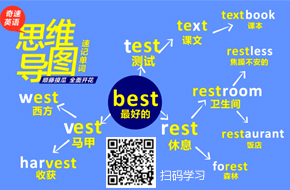
✅ 真人老师1对1陪伴 :不是冷冰冰的录播课!持证专业老师全程陪伴,手把手辅导。单词记不住?老师用 “思维导图+故事记词法” 带你轻松记!语法搞不懂?老师用 “口诀+动画” 帮你秒懂!
✅ 全程监督,家长不用盯 :老师每天准时上线提醒孩子学习,实时关注学习状态,发现走神立刻拉回。课后发详细学习报告——孩子哪里进步了、哪里还要加强,一目了然!
✅ 灵活便捷 :有手机/平板就能学,不用奔波赶课。上课时间自由预约,课堂全程可回放,不懂的地方反复看!
真实案例 :成都初一小宇,英语常不及格,报名奇速1对1伴学3个月后,成绩从65分提升到92分!“以前背单词像受刑,现在用故事记词法,10分钟记住20个单词,还想再学!”
🚀 奇速英语第32届夏令营:7天突破,弯道超车!
暑假别再让孩子浪费时间了!奇速英语夏令营已成功举办31届,服务全国40000+学员!
两大王牌课程:
📚 思维导图故事营 :用200张思维导图,7天轻松拿下1800核心词汇!像学汉字“偏旁部首”一样学英语,记一个带一串,想一个牵一片!
📚 24个故事串记3500词汇营 :把3500个大纲词汇编进24个精彩故事,在“追剧”中不知不觉记住单词,同步提升阅读和写作能力!
独家“7311抗遗忘模式” :学完不忘!7天集训后,还有线上复训确保效果持久!
边学边玩,快乐成长 :全封闭管理,食宿学一体。打卡熊猫基地、体验成都火锅文化、举办文艺晚会——在快乐中学习,在成长中收获!
💪 为什么40000+学员选择奇速英语?
“孩子从‘催着背’到‘主动闯到晚上9点’,单词听写从错10个到错2个!”
“以前一篇阅读读10分钟还不懂,现在速度快了一半,月考阅读涨了15分!”
“从不敢开口到跟外教练口语,发音被老师夸‘越来越标准’!”
英语提分没有捷径,但找对方法就能事半功倍!
别让低效的努力消耗孩子的学习热情,别让英语成为拉分科目。选择奇速英语,给孩子一个爱上英语、高效提分的机会!
立即扫码咨询,免费领取AI测评+1对1体验课!
八、学习自测(小试牛刀)
用所给词的适当形式填空:
Pandas are _______ (friend) to people.
Don‘t _______ (arrive) late for class.
She _______ (exercise) three times a week.
We should eat _______ (little) junk food.
Listen! Someone _______ (sing) in the next room.
We _______ (go) to the zoo yesterday.
Once upon a time, there _______ (live) a wise old man.
答案:
friendly
arrive
exercises
less
is singing
went
lived